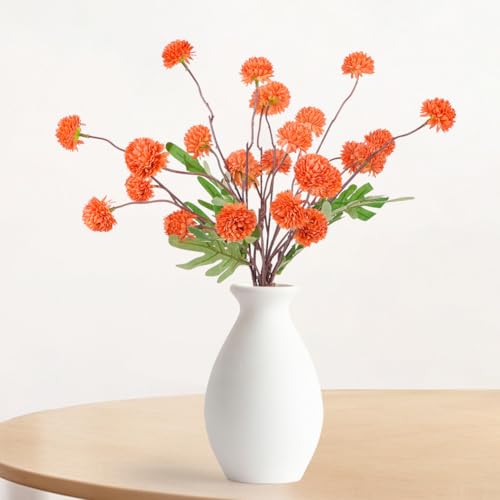
simple care tips for nurturing vibrant chrysanthemum blooms
Chrysanthemums, or mums as they are affectionately known, are a beloved flowering plant that can bring joy and colour to any garden or indoor space. These resilient plants are not only beautiful but also relatively easy to care for, making them an ideal choice for beginners. In this article, we will explore simple yet effective care tips that will ensure your chrysanthemum blooms remain vibrant and healthy throughout their growing season in 2026.
Choosing the Right Location
When it comes to planting chrysanthemum, location is key. These plants thrive in full sun and require at least six hours of direct sunlight each day. Find a spot in your garden that receives ample sunlight and good air circulation. If you are growing them indoors, place them near a south-facing window. Remember that while chrysanthemum loves sunlight, they can suffer from heat stress in the peak of summer; thus, a bit of afternoon shade can be beneficial on hot days.
Soil Requirements
Chrysanthemums prefer well-drained soil that is rich in organic matter. A slightly acidic to neutral pH (around 6.0 to 7.0) is ideal. You can enrich your garden soil by adding compost or well-rotted manure before planting. If you are using pots, ensure they have drainage holes to prevent waterlogging, which can lead to root rot. You might consider using a potting mix designed for flowering plants, as this will provide the necessary nutrients and drainage.
People Also Look For:
- Baby Bio Pour & Feed Liquid Plant Food, 1L - Ready To Use Houseplant Food - with Seaweed Extract - to Stimulate Healthy Growth and...
- Alupssuc 6FT(180 cm) Artificial Christmas Garland,Real Touch Stereo Pine Garland, Greenery Garland for Table, Mantle, Wall, Indoor...
- Tribesigns 5-Tier Tall Indoor Plant Stand, 70.9 inches Large Metal Plant Shelf with 10PC S Hanging Hooks, Multi-Purpose Flower Bon...
- ASPRO 10 Pairs Work and Gardening Gloves - Black Nylon PU Coated Workwear Gloves for Builder, Gardener, Mechanic, Construction, Wa...
- Eco Home Store x2 fake plants artificial plants indoor hanging plants in plastic plant pots faux plants for indoors decorative art...
Watering Wisely
Proper watering is crucial for the health of your chrysanthemum plants. During their growing season, they prefer consistent moisture, so water them regularly, especially during dry spells. However, take care not to overwater, as this can cause the roots to rot. A good rule of thumb is to water when the top inch of soil feels dry to the touch. In the cooler months, reduce watering frequency, allowing the soil to dry out a bit between sessions.
Fertilise for Fabulosity
To encourage lush foliage and abundant blooms, fertilising your chrysanthemums is essential. Use a balanced fertiliser every four to six weeks during the growing season. Opt for a liquid fertiliser that is high in phosphorus, as this promotes flowering. If you prefer organic options, compost tea or fish emulsion can provide the necessary nutrients without chemical additives.
Pruning and Deadheading
Regular pruning and deadheading can significantly enhance the appearance of your chrysanthemum plants. As flowers fade, remove them to encourage further blooming and to keep the plant looking neat. Additionally, pinching back the tips of the stems early in the growing season will promote bushier growth and more flowers in the long run. Be sure to wear gloves when handling the plants, as some varieties can be mildly irritating to the skin.
Pest and Disease Management
Chrysanthemums can occasionally fall prey to pests such as aphids, spider mites, and whiteflies. Regularly inspect your plants for signs of infestation, such as discoloured leaves or webbing. If you notice pests, treat them promptly with insecticidal soap or neem oil, which are effective and environmentally friendly options. Additionally, ensure good air circulation to prevent fungal diseases like powdery mildew, which can thrive in humid conditions.
Preparing for Winter
As the growing season ends, it is important to prepare your chrysanthemums for winter. In colder climates, consider mulching around the base of the plants to protect them from freezing temperatures. If you are growing them in pots, bring them indoors before the first frost to prevent damage. Cut back any dead or dying foliage to tidy up your plants, allowing them to conserve energy for the next blooming season.